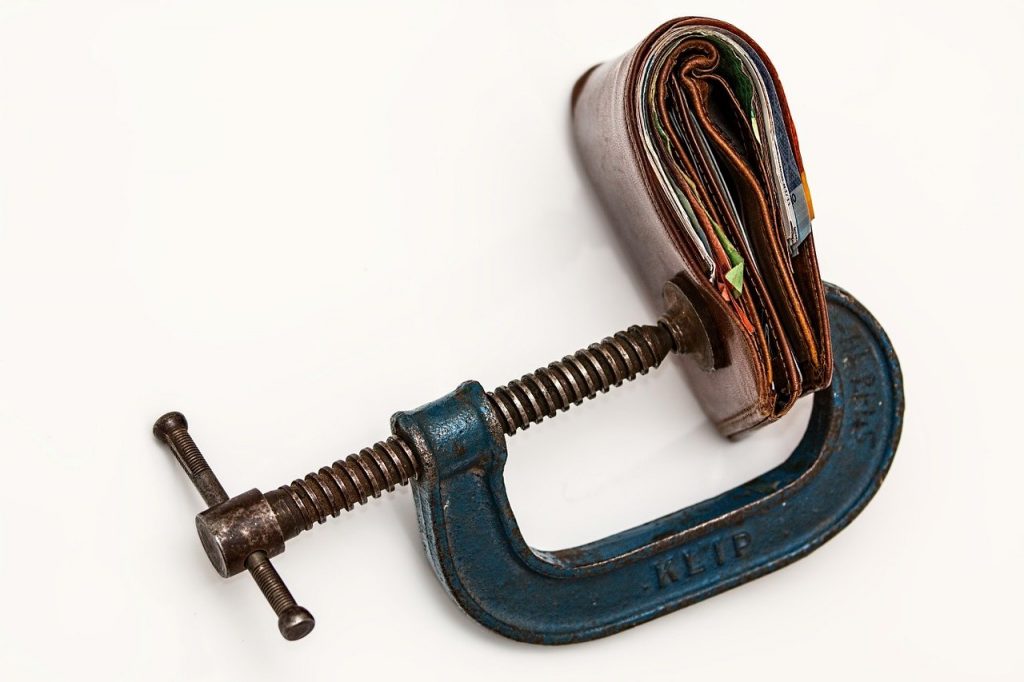
Inflation is on the rise. That much is certain. The precise reasons for this uptick, however, are up for debate. Some economists argue that wages have not kept pace with inflation, while others say that the prices of essential goods and services have increased at an alarming rate. Nonetheless, there is little doubt that inflation is currently a pressing issue.
This trend has also had a significant impact on the housing market. Home prices have been steadily increasing nationwide, often outpacing wage growth. This has made it increasingly difficult for potential home buyers to afford a mortgage, particularly in high-cost areas. In some cases, buyers have been forced to take out larger mortgages than they can actually afford, leading to an increase in delinquencies and foreclosures.
All of this raises some important questions about the future of the housing market.
If there was any remaining doubt about a Bank of Canada rate hike at its next meeting in March, that quickly evaporated with the release of inflation data on Wednesday.
The country’s Consumer Price Index measure of inflation was 5.1% in January, its highest level since 1991.
The Bank of Canada’s three preferred measures of core inflation, which strip out more volatile components, averaged 3.2%, straying outside the Bank’s inflation target range of 1% to 3%.
“That broadening in inflation pressure—although not yet as dramatic as seen in the United States to-date—is expected to persist, driven by strong demand and limited ability for businesses to respond quickly with increased supply,” noted RBC economist Claire Fan.
The impact of home prices on inflation
The data from Statistics Canada showed the owned accommodation index, which is comprised of multiple sub-components including home prices and mortgage interest cost, was up 6.1% from a year ago.
Home prices make up 4.8% of the overall CPI inflation calculation and were up 13.5% over the past year, while the “other owned accommodation expenses” sub-category, which includes things like home sale commissions, rose 14%.
As of January, the average home price in Canada rose to a new high of $748,450, up 21% from a year earlier.
With housing inventory in short supply and demand remaining high, observers expect upward pressure on home prices to continue, at least until interest rates start to rise.
“We have a fundamentally strong housing market that has been allowed to overheat…” wrote BMO economist Robert Kavcic. “It’s going to take higher interest rates to alter the market psychology, cool excess demand and price growth. That day is fast approaching.”
The role of interest rates
Interest rates, which have remained near record low levels for much of the past two years, have been a mitigating factor on housing inflation. In January, mortgage interest cost was down 6.8% compared to a year ago.
But that’s expected to change over the course of the year once the Bank of Canada starts hiking interest rates.
Most observers agree the Bank of Canada is all but guaranteed to start lifting rates at its next meeting in March, despite the loss of 200,000 jobs last month and an uptick in the unemployment rate.
“The heated housing market and rising energy prices that have driven price growth to date are expected to remain elevated, at least in the near term,” Fan wrote. “Against that backdrop, the Bank of Canada is widely expected to begin hiking interest rates in March, and we could see a follow-up hike as soon as April.”
For variable-rate holders concerned about impending rate hikes, reach out to a mortgage broker who can go through your options.
Inflation is a general increase in prices and fall in the purchasing value of money. Over time, the average level of prices for goods and services rises. This can be a serious problem for people who rely on their savings to live, as the value of those savings will decrease over time. One way to protect yourself from inflation is to invest your money in assets that are likely to hold their value over time, such as gold or stocks. By investing in assets that will not lose value, you can ensure that your hard-earned money will still be worth something when you need it.
Inflation is a concern for consumers and policymakers alike. Measures should be taken to keep it in check. Inflation can have a negative impact on the economy as a whole, leading to higher interest rates and reduced spending. It is important to monitor inflation closely and take steps to control it when necessary.
To Learn More - Reach Me
Archana Patel
Licensed Mortgage Broker
+1 587-700-9333
Or
Fill out the form below
 20
20
 20
20
 20
20